


Strategy games have carved out a distinguished niche within the vast expanse of the gaming industry. Renowned for their complex mechanics, these games require players to engage in deep thought, strategic planning, and quick decision-making. Unlike other genres that may rely heavily on reflexes or quick controls, strategy games offer players the opportunity to think critically, analyzing each move's potential impact several steps ahead.
One of the primary appeals of strategy games is their capacity to simulate real-world challenges and scenarios. These games typically revolve around controlling leaders, armies, and nations, compelling players to handle resources efficiently, anticipate opponents' moves, and sometimes even negotiate alliances. They are like expansive chess games, where each unit, resource, or territory serves as a piece on the board.
The keyword "x777" appears as a distinctive feature within the strategy gaming category. While it's perhaps a mystery in its origin or application, what it symbolizes is the endless possibilities and combinations that strategy games offer. Games under this category may range from historical recreations to futuristic battles, each encapsulating scenarios that hyper-involve the player in complex decision-making and strategic maneuvers.
Games like 'Civilization,' 'Starcraft,' and 'Command & Conquer' are prime examples that have highlighted this genre for decades. They offer not just a gaming experience but an intellectual challenge, encouraging players to think many moves ahead, managing both immediate dangers and long-term goals. The essence of strategy games lies in their ability to compel players to balance multiple aspects of leadership, from economic development to military strategy, diplomacy, and sometimes cultural growth.
In recent years, with advancements in technology, strategy games have expanded into more niche areas, catering to a wide array of preferences and playstyles. Whether players are interested in building complex empires, managing scarce resources, or controlling the flow of large-scale battles, there is something for everyone in the strategy gaming world.
Notably, strategy games have begun to integrate more narrative elements, enabling players to immerse themselves deeply in their roles. This fusion of strategic gameplay with storytelling enhances the engagement level, offering players not only the challenge of outthinking their opponents but also the joy of progressing through a compelling and immersive story.
In conclusion, strategy games remain a timeless and popular genre, appealing to those who enjoy puzzles, tactical thinking, and a good challenge. The keyword "x777" may represent the diversity and vastness of options available in this genre. For both new players and veterans alike, strategy games offer a unique realm of gaming that promises complexity, depth, and an incredible sense of accomplishment upon mastery.
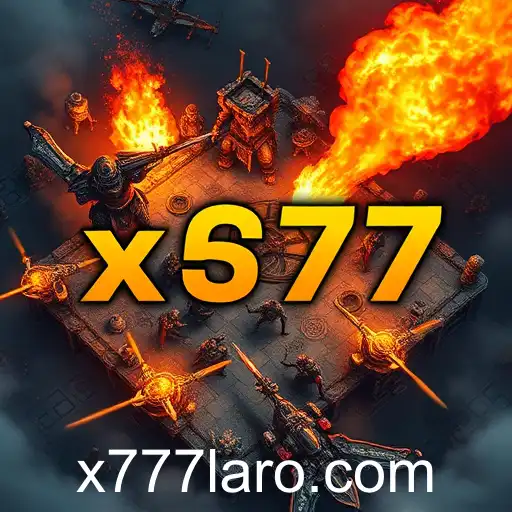
Strategy games hold a significant position in the gaming world, known for their ability to challenge players' thinking skills, planning abilities, and tactical acumen. This article delves into the captivating universe of strategy games, where every player acts as a general managing resources, formulating plans, and leading units to victory. With 'x777' as a notable keyword in the category, let's explore the elements that make strategy games an enduring favorite among gamers.

